This post is all warmth …
Besides foul weather gear, having a good base layer is another important part of technical clothing … for pretty much any outdoor activity not just sailing.
As I’m planning on a snow trip to the Alps in the next few weeks, I’ve been out looking for thermals, mainly for the sailing, but I should be able to use them for any cold weather activity.
The main focus with base layers is on “wicking” … or, how good it is at helping the moisture / sweat move away from the body.
When we perspire, when hot from exercise, the evaporation helps cool and regulate the body temperature.
Moisture wicking helps that process rather than hinder it. It also means that the skin is kept dry rather than wet. In cold weather the dry skin and dry air layer then helps keep us warm … or so I’ve understood!
Having wet and cold skin is generally unpleasant, but it can also be dangerous. I made the mistake once of wearing a long sleeve cotton top, because it was comfortable. As the weather cooled and mist came in it soaked up the water vapour.
While I was exerting myself and my body was warm, the cooling effect was OK, but when we stopped our route to look for camp, I suddenly felt very cold. The cotton was trapping the water and clinging to my skin and it was like being in a fridge freezer …

When combined with a full day hike and low energy, this started to push me towards hypothermia and made me extremely sleepy and drowsy.
Luckily, I was with others so we set up camp and turned the tent into a bit of a hot box, sauna as we cooked our dinner to warm up!
It’s easy to brush it off as just being tired and cold, but I’m pretty convinced it was the cotton. The sensation was very different from when wearing merino, for example.
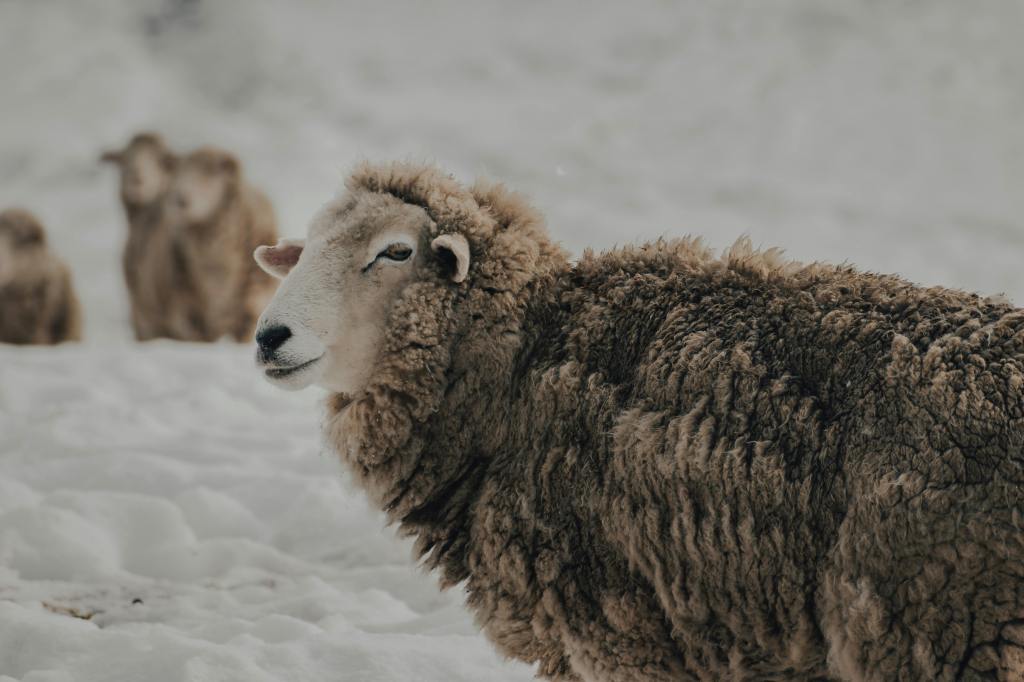
Merino wool has a well-deserved reputation for use as a base layer. It has excellent wicking properties and breathability which keeps us warm in the cold and helps prevent overheating.
It’s also very lightweight and thermally efficient, meaning we can save a lot of space and weight. Good for both hiking and sailing when that’s an important consideration!
Finally, in part due to its breathability and wicking characteristics, but also due to some of its natural properties, it’s also highly odour resistant. When packing light for multi-day hikes … or ocean crossings … with no likelihood of being able to wash anything … this is a distinctly positive differentiator!
Most odour and smell is caused by bacteria build up and merino is a much less hospitable environment for them than synthetics, meaning merino garments can be worn for much longer periods … albeit not indefinitely!

Most people seem prepared to push it for 5 days to a week. After that, skin hygiene may be questionable … it’s not just about protecting sensitive noses!
When planning for the Clipper Race, many people have advocated having small dry bags for a week’s clothes at a go, so I will likely follow that approach and pack 5 or 6 bags which I can access.
I had also been thinking about a wet / dry approach … I think this is a military thing, something to do with trenchfoot … wherein you change into the dry when bunking for example, and get back into the wet when on watch as it’s going to get wet anyway!
I can’t afford to double up though due to space and weight, so at best it would be one week of spares …
As an aside, now that I haven’t been working for a while … and not being religious … the concept of a “week” is suddenly quite odd and arbitrary and it’s difficult to differentiate a weekend! The only reason it really comes into question now is that friends aren’t always available on “weekdays” and some businesses or services aren’t available on “weekends “!
Other than that, it’s just another day …

Back to thermals / base layers … another material that has been highly rated for the same properties as merino is bamboo.
I’ve only had a few pairs of bamboo socks previously, which were definitely comfortable, but I’ve not worn anything akin to thermals made from bamboo (or rather the bamboo cellulose / viscose fabric) … so I thought I’d give these ago.

One thing I hadn’t considered was merino or bamboo underwear. Historically on short sailing trips or hikes … even when on ski / snowboard holidays … regular cotton underwear was fine. When planning for up to 6 weeks away from a washing machine … and wearing them for up to a week at a time … I now understand why switching from cotton might make sense!
Having purchased some bamboo boxers recently … I’m a definite convert! I may even give up on cotton ones for day to day use in future as these are extremely comfortable!
I tried a merino pair … not a fan for comfort, but definitely warm!
What fabric do I choose for different items?
For underwear: I’m going to take a mix of regular cotton, merino and bamboo on training weeks to see which I prefer.
For socks: merino and bamboo “thin” sock plus probably a few pairs of merino or normal wool “thick” socks.
Waterproof socks have also been recommended. These are usually merino based, but sometimes have other properties. There are some with neoprene layers and thermal reflective layers, but this all seems a bit too much and too fancy.
For thermals: Leggings and long sleeves … I’ll stick to merino.
How do I know where to get base layers from?
There are plenty of manufacturers out there which offer a range of products, including different thickness or weight merino for different temperatures and activities.
Too many frankly …
As an aside … read a book called “The Art of Choosing” by Sheena Iyengar.
It offers a fascinating insight into our decision making processes, the impact of options, and the influence of actions of others around us.
Seriously … it’s a great book, and gives you a glimpse of how the mega-corporations see you and me – the consumer …

Anyway – I’ve not researched all the thermal clothing companies in detail … I just don’t have the time and energy to be doing that … but I have picked a few that I know, have used before, or appear to have a good reputation from cursory research.
Here’s a list of what I’m using, or rather will be trying during training.
In the end I’ll find what seems most comfortable and effective and make sure I have enough of those … you can never have too many good quality socks!
Underwear
- icebreaker Merino 175
- Danish Endurance Merino
- Danish Endurance Bamboo
Socks
- Sealskinz Wiveton Warm Weather – Mid length, Merino
- Sealskinz Briston All Weather – Mid length, Merino with Hydrostop
- Hydrostop is something like a silicone / latex band at the top to reduce water / sweat running down your leg and soaking your feet over time. I have no idea how effective or comfortable it is so though I’d give it a go …
- Sealskinz Stanfield Cold Weather – Mid length, Merino
- Danish Endurance Soft Top Crew Socks – Mid length Bamboo
Thermals
- icebreaker Merino Skin 200 (old product)
- icebreaker 260 ZoneKnit
- ZoneKnit is supposed to be body contouring and panelling around body hot spots to improve temperature regulation. I have no idea whether it works or not … or is any different from normal … but I thought I’d try them out and felt I needed a thicker pair of leggings anyway
- Musto HPX
- HPX thermals have additional CORDURA reinforcement on knees and elbows. I figured extra padding may come in handy …
- Rab (Force?)
Other
- Icebreaker 260 Quantum Gloves
- These are merino gloves, and I’ve been using a lot already and love them as they are thin but have rubberised grip “bobbles” and I can use my phone with them on. For sailing, these will just be an additional liner if very cold
- Sealskinz Beetley Head Gaiter
- An impulse buy, probably more use for snowboarding and hiking, but it’s a waterproof balaclava with a microfleece lining. Sounded good to me …
Who are the manufacturers?
icebreaker – www.icebreaker.com
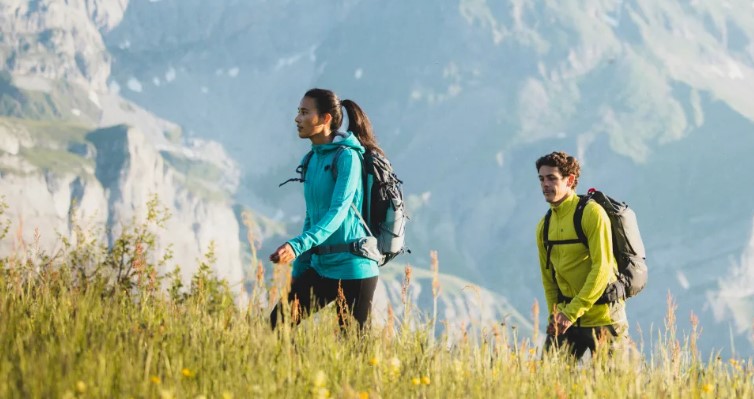
icebreaker is a New Zealand company that’s been around since 1995, and has a great reputation.
I’ve had their merino thermals for years … I mean I genuinely have leggings and tops that are probably 20 years old now and still get used … although they are a bit stretched and thin or have holes in places!
Side note: beware of moths … I usually clean and then seal up thermals in zip lock bags to avoid any risk!
Icebreaker has an extensive range of clothing and weights of merinos for all sorts of activity.
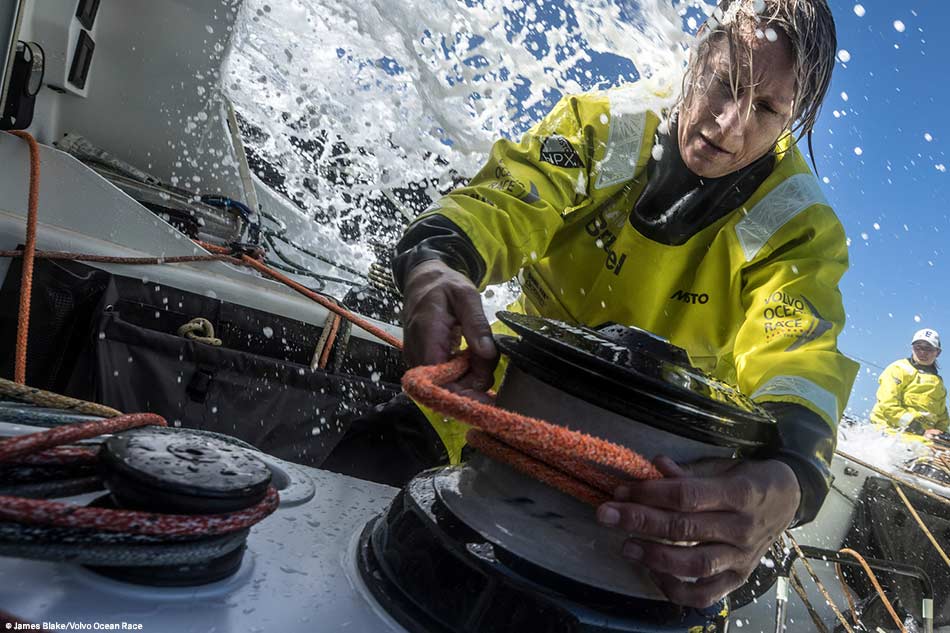
Musto has 50+ years experience producing technical clothing for sailing, but also for shooting and equestrian sports. It was originally founded by Keith Musto, a British Olympic Sailor in the 1960’s.
They have partnered with the Clipper Race for a number of years (and have just extended that partnership) and I have used the kit before and it’s always been very high quality.
Charlie Dalin, the Vendée Globe 2024/25 winner is also an ambassador and raced in their kit.
As a predominantly sailing focused brand, and official partner to Clipper Race, I figured the HPX thermals would be worth the investment. I’m hoping the CORDURA on the elbows and knees will make a positive difference when things are a bit rougher …
Danish Endurance – www.danishendurance.com
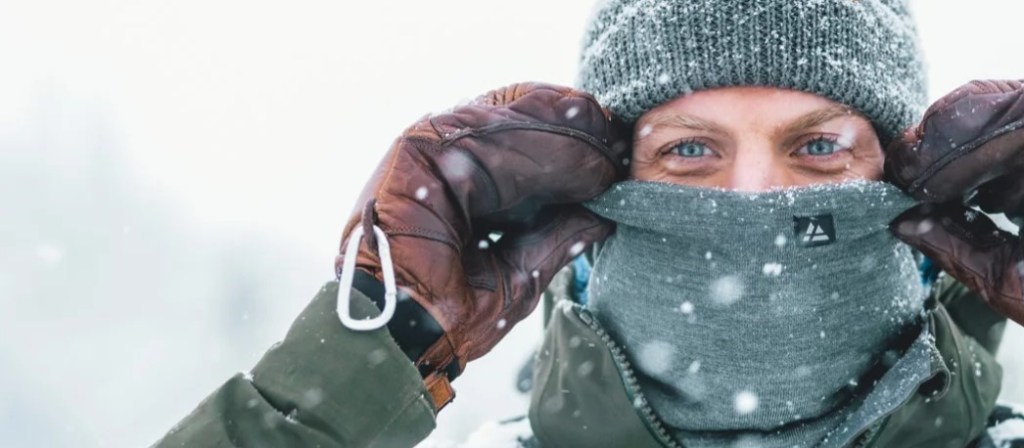
Founded in 2015 by Nicolaj and Christoffer Due (Danish outdoor enthusiasts and athletes) like icebreaker, Danish Endurance targets cold-weather, outdoor activities, producing a comprehensive range of technical gear.
I figured the Danes know how to deal with the cold …
Will they work?
I certainly hope so!
As I get into training, and as the race evolves, I’ll endeavour to add my learnings and experience from the kit that I chose.
A lot of this is trial and error and taking tips from others …
I recently had a tip from Jacqueline Kavanagh, Circumnavigator in the 2019-20 Round The World Race, to get a pair of slightly unconventional gloves ….
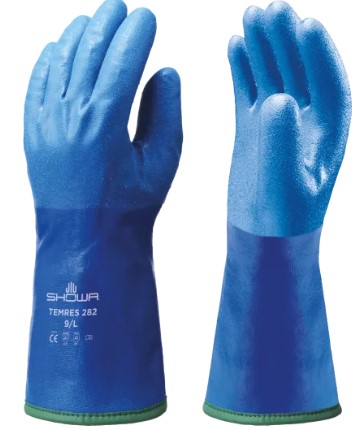
… the Showa TEMRES 282 Waterproof Thermal Gauntlet … which as far as I can tell is Industrial PPE kit … but as they were (relatively) inexpensive I bought a pair.
Granted, they are extremely comfortable … and should be pretty waterproof, but I may need to get a few thick elastic bands to seal them to the wrist a bit (either that or I bought the wrong pair …)!
Other news
First … congratulations, and thanks, if you made it this far though my post …
It’s been a hectic start to the year …
All of a sudden, I’m starting to feel the time pressure to sort things out …
Lots of news to come as a result … I need to do an update on my budget (as I have probably been shopping too much) and … my Level 1 training is now just 7 weeks away!
I am immensely looking forward to finally getting back on a big boat again!
Oh … and I did mention I expect to make a run to the Alps for a little bit of snowboarding shortly. It’s sad to think the last time I went was probably just before COVID …
This Alps trip has thrown up some interesting challenges, which I’ll probably recount when I make it out the other side …
Enjoyed this post? Never miss out on future posts by following me!

